


Buganda Kingdom has intensified its call for a science-driven response to sickle cell disease, urging greater public awareness, early screening, and investment in advanced treatment to reduce the burden of the condition in Uganda.
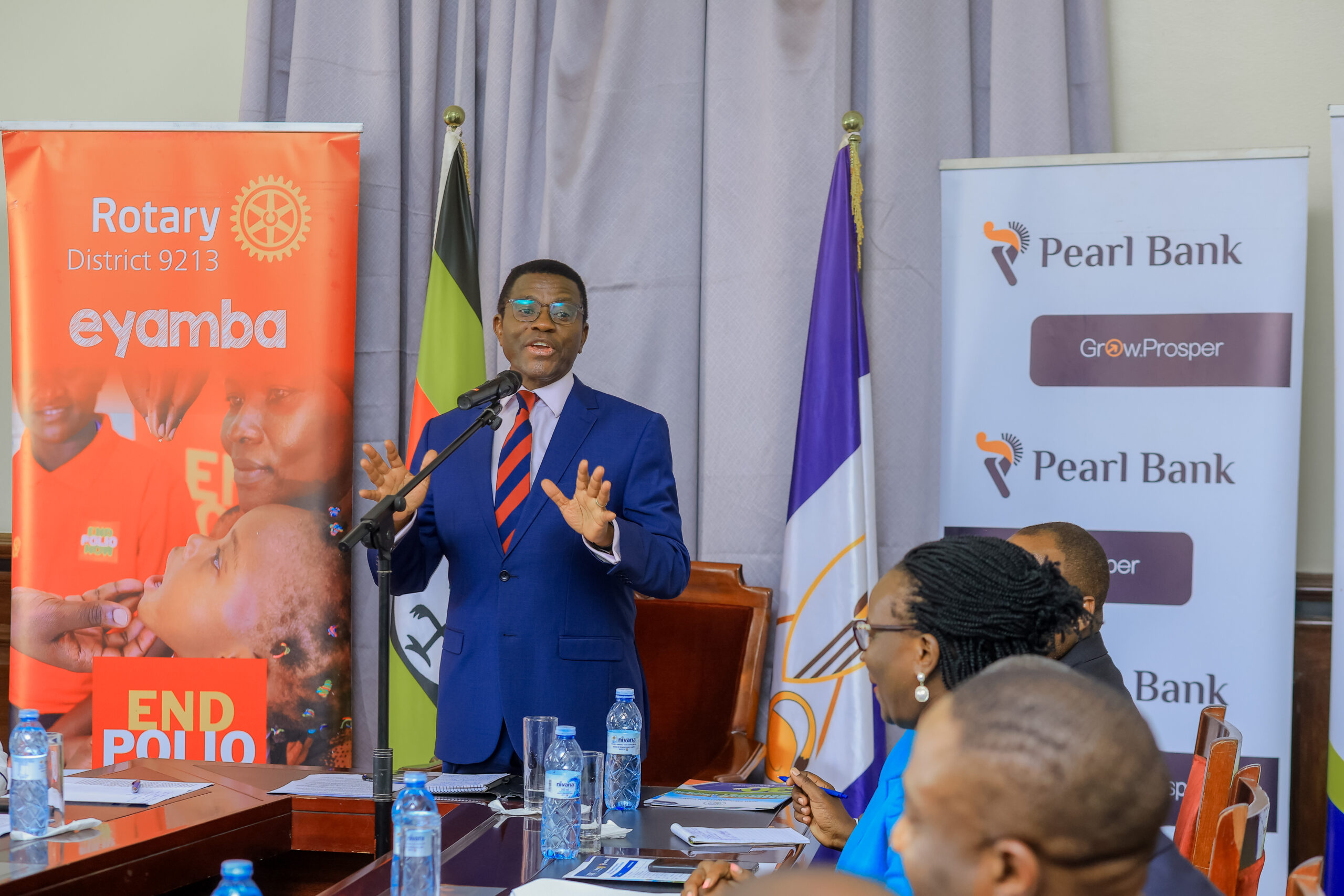
Speaking at the launch of an online fundraising platform by Pearl Bank, the Katikkiro, Charles Peter Mayiga, emphasized that science offers the most effective path to preventing and managing sickle cell disease. The platform is aimed at mobilizing Ugandans to raise 4 million US dollars for the construction of the country’s first Bone Marrow Transplant (BMT) facility.
Mayiga stressed the urgent need to dispel myths surrounding the disease, noting that some communities still associate sickle cell with witchcraft or curses. He warned that such misconceptions continue to undermine prevention and treatment efforts, and called for a nationwide campaign to educate the public about its scientific causes.
Drawing from Buganda Kingdom’s past public health campaigns, particularly its role in combating HIV/AIDS, Mayiga highlighted the importance of awareness and collective action in changing attitudes and saving lives.
He urged religious and cultural leaders to encourage couples intending to marry to undergo sickle cell screening, similar to existing HIV testing practices.
According to Mayiga, understanding the science behind the disease will not only improve management but also strengthen prevention efforts, ultimately reducing the number of children born with sickle cell.
The fundraising initiative comes as the Joint Clinical Research Centre (JCRC), together with its partners, embarks on establishing Uganda’s first BMT facility. Once completed, the center is expected to provide life-saving treatment for patients suffering from sickle cell disease, as well as other serious blood disorders such as leukemia and lymphoma—conditions that have long required expensive treatment abroad.
The facility, to be built in Lubowa, will place Uganda among a small number of countries in the region offering specialized bone marrow transplant services. Currently, only one such center exists in East Africa, located in Kenya.
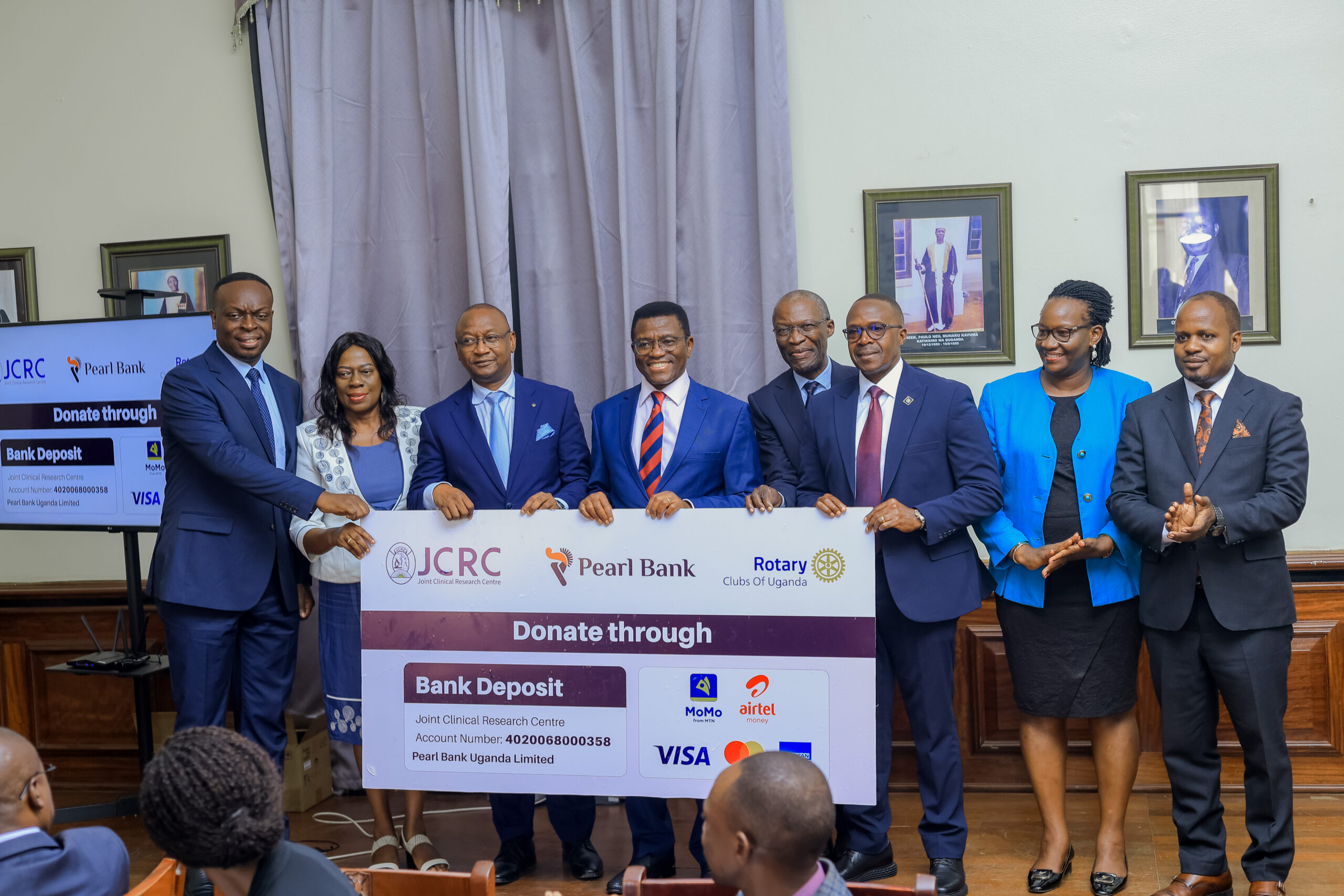
Pearl Bank has committed 200 million Uganda shillings towards the project, reinforcing its role as a key financial partner. The bank will also host the online donation platform on the JCRC website, allowing contributions through mobile money, bank deposits, card payments, and QR codes, making it easier for individuals and organizations to support the initiative.
Mayiga commended JCRC, Pearl Bank, and Rotary International for their collaboration, describing the project as a transformative step toward strengthening Uganda’s healthcare system and expanding access to specialized treatment.
JCRC Executive Director Dr. Cissy Kityo said the facility will be equipped with state-of-the-art technology to treat sickle cell disease and other blood-related conditions. She noted that beyond addressing a major health challenge affecting thousands of families, the center will position Uganda as a regional hub for advanced medical care.
However, she emphasized that an additional 4 million dollars is still needed to complete the facility and begin operations, calling on well-wishers to contribute to the cause.
Pearl Bank Managing Director Julius Kakeeto described the partnership as a strategic investment aligned with Uganda’s national development agenda, particularly the Agro-Industrialization, Tourism, Minerals, and Science and Technology Innovation (ATMS) strategy. He said strengthening science and technology is critical to driving growth and improving service delivery across sectors, including healthcare.
Kakeeto added that the BMT center will boost medical research, build local expertise, and expand access to specialized treatment, reducing the need for patients to seek care abroad. He noted that localizing such services will ease the financial burden on families and the national healthcare system, while improving overall health outcomes.
The initiative reflects a growing shift toward science, collaboration, and innovation in tackling one of Uganda’s most persistent health challenges, offering renewed hope to thousands of patients and their families.
