


Uganda’s tourism sector has officially entered a post-pandemic era of record-breaking growth, with international arrivals surging to over 1.6 million in 2025.
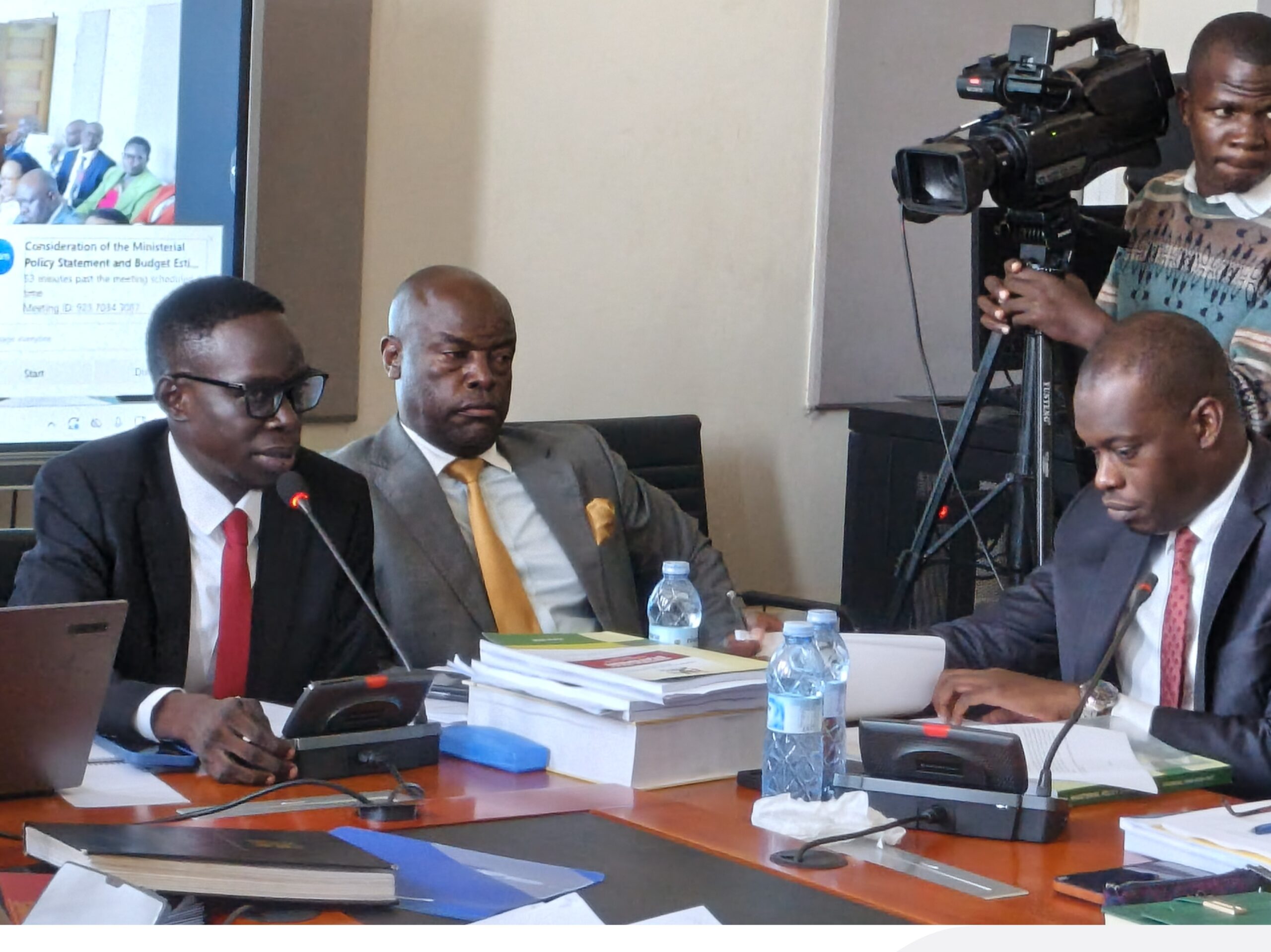
The revelation was made by the State Minister for Tourism, Wildlife, and Antiquities, Martin Mugarra Bahinduka, while appearing before the Parliamentary Committee on Tourism, Trade, and Industry on Thursday. Presenting the Ministerial Policy Statement for the 2026/2027 financial year, Mugarra detailed a sector that is punching above its weight but remains constrained by a significant funding deficit.
A Record-Breaking Year
According to the Minister, Uganda welcomed 1,642,213 tourists in 2025, marking a 19.7% increase from the previous year—making it the highest number of arrivals ever recorded in the country’s history.
Tourism now accounts for 5.9% of Uganda’s GDP, contributing approximately Shs 13 trillion to the economy. In terms of foreign exchange earnings, the sector generated $1.62 billion (Shs 5.83 trillion), reflecting its growing importance as a key revenue driver. Additionally, tourism supported 876,512 jobs in 2025, representing about 7.5% of total national employment, highlighting its critical role in livelihoods across the country.
“This growth was driven by tourists staying longer—averaging 8.8 nights—and spending more, with an average of $119 per night,” Mugarra told the committee chaired by the Youth Representative for Northern Uganda, Boniface Okot.
The Funding Tug-of-War
Despite the strong performance, the Minister warned that the sector risks underutilizing its full potential due to a Shs 110 billion funding gap relative to targets under the Fourth National Development Plan (NDP IV).
For the 2026/2027 financial year, the Ministry is seeking a total allocation of Shs 487.3 billion. Of this, Shs 98.9 billion is earmarked for the Ministry of Tourism (Vote 022), while the Uganda Wildlife Authority (UWA) is set to receive Shs 290.5 billion. The Uganda Tourism Board (UTB) has been allocated Shs 66.3 billion, and Shs 41.5 billion will go towards the training colleges in Jinja and Kasese.
Mugarra emphasized that tourism has been earmarked as Uganda’s leading foreign exchange earner over the next 15 years, with a bold target of generating $50 billion annually by 2040, though he cautioned that current funding levels fall short of this ambition.
Challenges on the Horizon
The surge in visitor numbers has also intensified pressure on conservation systems. National parks recorded over 487,000 visits, raising concerns about human-wildlife conflict, poaching, illegal trade, and habitat degradation—particularly in sensitive ecosystems such as Bugoma Forest.
Revenue Growth
Defending the request for an additional Shs 103.85 billion, the Minister pointed to the sector’s growing ability to sustain itself. Non-Tax Revenue (NTR) collections have risen sharply from Shs 135 billion in FY 2022/23 to a projected Shs 294 billion in the coming financial year.
Committee Reactions
Committee Deputy Chairperson, Boniface Okot, the Youth Representative for Northern Uganda, described tourism as a “low-hanging fruit” with enormous potential to generate revenue for Uganda. He noted that while national budgets often prioritize consumptive expenditures, tourism remains a key productive sector that will be central to achieving the country’s long-term economic growth targets under Vision 2040.
Hon. Francis Mwijukye, the MP for Buhweju County, commended the Ministry for providing detailed documentation, noting that such information enables Parliament to effectively scrutinize and defend sector allocations. He also welcomed the Ministry’s attention to gender balance. However, he raised concerns about the cumbersome compensation process for communities affected by wildlife, pointing out that lengthy procedures and excessive paperwork discourage many claimants. He urged the Ministry to simplify the process.
Mwijukye further cautioned against negative publicity that could harm Uganda’s tourism image, noting that isolated health-related incidents are sometimes publicly amplified—unlike in competing destinations such as Rwanda and Kenya—potentially discouraging tourists.
Meanwhile, Hon. Ronald Afdra, the MP for Lower Madi County, said the sector appears to be on the right track, but called for clarity on several policy and implementation issues. He questioned whether recent wildlife compensation measures are legally grounded or merely temporary administrative actions, emphasizing the need for proper regulatory backing.
Afdra also raised concerns about inconsistencies in reported development progress indicators, noting that some infrastructure performance percentages appeared to decline despite continued funding allocations. He further urged the Ministry to ensure that surrounding communities benefit from tourism investments, particularly by extending essential services such as water infrastructure beyond conservation areas to nearby residents.
He nevertheless applauded ongoing government efforts in restoring key conservation and heritage projects and encouraged continued compensation for communities affected by land use changes due to wildlife conservation.
