


In WHO global pulse survey, 90% of countries report disruptions to essential health services since COVID-19 pandemic
The World Health Organization (WHO) today published a first indicative survey on the impact of COVID-19 on health systems based on 105 countries’ reports. Data collected from five regions over the period from March to June 2020 illustrate that almost every country (90%) experienced disruption to its health services, with low- and middle-income countries reporting the greatest difficulties. Most countries reported that many routine and elective services have been suspended, while critical care – such as cancer screening and treatment and HIV therapy – has seen high-risk interruptions in low-income countries.
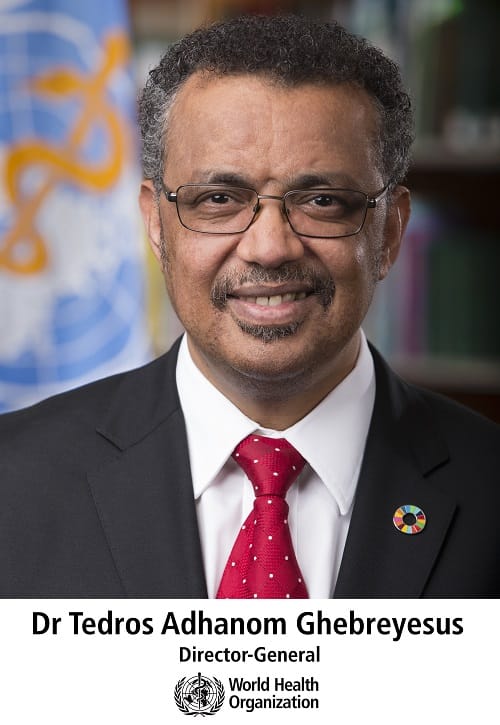
“The survey shines a light on the cracks in our health systems, but it also serves to inform new strategies to improve healthcare provision during the pandemic and beyond,” said Dr. Tedros Adhanom Ghebreyesus, WHO Director-General. “COVID-19 should be a lesson to all countries that health is not an ‘either-or’ equation. We must better prepare for emergencies but also keep investing in health systems that fully respond to people’s needs throughout the life course.”
Services hit across the board: Based on reports from key informants, countries on average experienced disruptions in 50% of a set of 25 tracer services. The most frequently disrupted areas reported included routine immunization – outreach services (70%) and facility-based services (61%), non-communicable diseases diagnosis and treatment (69%), family planning and contraception (68%), treatment for mental health disorders (61%), cancer diagnosis and treatment (55%).
Countries also reported disruptions in malaria diagnosis and treatment (46%), tuberculosis case detection and treatment (42%), and antiretroviral treatment (32%). While some areas of health care, such as dental care and rehabilitation, may have been deliberately suspended in line with government protocols, the disruption of many of the other services is expected to have harmful effects on population health in the short-medium- and long-term.
Potentially life-saving emergency services were disrupted in almost a quarter of responding countries. Disruptions to 24-hour emergency room services for example were affected in 22% of countries, urgent blood transfusions were disrupted in 23% of countries, emergency surgery was affected in 19% of the countries.
Disruption due to a mix of supply and demand-side factors. 76% of countries reported reductions in outpatient care attendance due to lower demand and other factors such as lockdowns and financial difficulties. The most commonly reported factor on the supply side was the cancellation of elective services (66%). Other factors reported by countries included staff redeployment to provide COVID-19 relief, unavailability of services due to closings, and interruptions in the supply of medical equipment and health products.
Adapting service delivery strategies. Many countries have started to implement some of the WHO recommended strategies to mitigate service disruptions, such as triaging to identify priorities, shifting to on-line patient consultations, changes to prescribing practices, and supply chain and public health information strategies. However, only 14% of countries reported the removal of user fees, which WHO recommends to offset potential financial difficulties for patients.
The pulse survey also provides an indication of countries’ experiences in adapting strategies to mitigate the impact on service provision. Despite the limitations of such a survey, it highlights the need to improve real-time monitoring of changes in service delivery and utilization as the outbreak is likely to wax and wane over the next months, and to adapt solutions accordingly.
To that end, WHO will continue to work with countries and to provide supportive tools to address the fallout from COVID-19. Given countries’ urgent demand for assistance during the pandemic response, WHO is developing the COVID19: Health Services Learning Hub, a web-based platform that will allow the sharing of experiences and learning from innovative country practices that can inform the collective global response. WHO is also devising additional surveys at the sub-national level and in health facilities to gauge the longer-term impact of disruptions and help countries weigh the benefits and risks of pursuing different mitigation strategies.
